
Content

Showing posts with label Plantation. Show all posts

Soybean | Understanding and definition of Soybean | Benefits and nutrient content in Soybean

0 comments
The soybean (U.S.) or soya bean (UK) (Glycine max) is a species of legume native to East Asia, widely grown for its edible bean which has numerous uses.

Fat-free (defatted) soybean meal is a primary, low-cost, source of protein for animal feeds and most prepackaged meals soy vegetable oil is another product of processing the soybean crop. For example, soybean products such as textured vegetable protein (TVP) are ingredients in many meat and dairy analogues. Soybeans produce significantly more protein per acre than most other uses of land.

Like some other crops of long domestication, the relationship of the modern soybean to wild-growing species can no longer be traced with any degree of certainty. It is a cultural variety with a very large number of cultivars.

Remarkably, seeds such as soybeans containing very high levels of protein can undergo desiccation yet survive and revive after water absorption. A. Carl Leopold, son of Aldo Leopold, began studying this capability at the Boyce Thompson Institute for Plant Research at Cornell University in the mid 1980s. He found soybeans and corn to have a range of soluble carbohydrates protecting the seed's cell viability. Patents were awarded to him in the early 1990s on techniques for protecting "biological membranes" and proteins in the dry state. Compare to tardigrades.

Together, oil and protein content account for about 60% of dry soybeans by weight; protein at 40% and oil at 20%. The remainder consists of 35% carbohydrate and about 5% ash. Soybean cultivars comprise approximately 8% seed coat or hull, 90% cotyledons and 2% hypocotyl axis or germ.

Most soy protein is a relatively heat-stable storage protein. This heat stability enables soy food products requiring high temperature cooking, such as tofu, soy milk and textured vegetable protein (soy flour) to be made.

The principal soluble carbohydrates of mature soybeans are the disaccharide sucrose (range 2.5–8.2%), the trisaccharide raffinose (0.1–1.0%) composed of one sucrose molecule connected to one molecule of galactose, and the tetrasaccharide stachyose (1.4 to 4.1%) composed of one sucrose connected to two molecules of galactose. While the oligosaccharides raffinose and stachyose protect the viability of the soy bean seed from desiccation (see above section on physical characteristics) they are not digestible sugars and therefore contribute to flatulence and abdominal discomfort in humans and other monogastric animals; compare to the disaccharide trehalose. Undigested oligosaccharides are broken down in the intestine by native microbes producing gases such as carbon dioxide, hydrogen, and methane.

Since soluble soy carbohydrates are found in the whey and are broken down during fermentation, soy concentrate, soy protein isolates, tofu, soy sauce, and sprouted soy beans are without flatus activity. On the other hand, there may be some beneficial effects to ingesting oligosaccharides such as raffinose and stachyose, namely, encouraging indigenous bifidobacteria in the colon against putrefactive bacteria.

The insoluble carbohydrates in soybeans consist of the complex polysaccharides cellulose, hemicellulose, and pectin. The majority of soybean carbohydrates can be classed as belonging to dietary fiber.

For human consumption, soybeans must be cooked with "wet" heat in order to destroy the trypsin inhibitors (serine protease inhibitors). Raw soybeans, including the immature green form, are toxic to humans, swine, chickens, in fact, all monogastric animals.

Soybeans are considered by many agencies to be a source of complete protein. A complete protein is one that contains significant amounts of all the essential amino acids that must be provided to the human body because of the body's inability to synthesize them. For this reason, soy is a good source of protein, amongst many others, for vegetarians and vegans or for people who want to reduce the amount of meat they eat. According to the US Food and Drug Administration:

Soy protein products can be good substitutes for animal products because, unlike some other beans, soy offers a 'complete' protein profile. ... Soy protein products can replace animal-based foods—which also have complete proteins but tend to contain more fat, especially saturated fat—without requiring major adjustments elsewhere in the diet.

Soy protein is essentially identical to that of other legume seeds. Moreover, soybeans can produce at least twice as much protein per acre than any other major vegetable or grain crop besides hemp, 5 to 10 times more protein per acre than land set aside for grazing animals to make milk, and up to 15 times more protein per acre than land set aside for meat production.

Consumption of soy may also reduce the risk of colon cancer, possibly due to the presence of sphingolipids.

Soybeans are an important global crop, providing oil and protein. In the United States, the bulk of the crop is solvent-extracted with hexane, and the "toasted" defatted soymeal (50% protein) then makes possible the raising of farm animals (e.g. chicken, hog, turkey) on an industrial scale never before seen in human history. A very small proportion of the crop is consumed directly by humans. Soybean products do, however, appear in a large variety of processed foods.

Cultivation is successful in climates with hot summers, with optimum growing conditions in mean temperatures of 20 to 30 °C (68 to 86 °F); temperatures of below 20 °C and over 40 °C (68 °F, 104 °F) retard growth significantly. They can grow in a wide range of soils, with optimum growth in moist alluvial soils with a good organic content. Soybeans, like most legumes, perform nitrogen fixation by establishing a symbiotic relationship with the bacterium Bradyrhizobium japonicum (syn. Rhizobium japonicum; Jordan 1982). However, for best results an inoculum of the correct strain of bacteria should be mixed with the soybean (or any legume) seed before planting. Modern crop cultivars generally reach a height of around 1 m (3.3 ft), and take 80–120 days from sowing to harvesting.

The U.S., Brazil, Argentina, China and India are the world's largest soybean producers and represent more than 90% of global soybean production. The U.S. produced 75 million tons of soybeans in 2000, of which more than one-third was exported. In the 2010-2011 production year, this figure is expected to be over 90 million tonnes. Other leading producers are Brazil, Argentina, Paraguay, China, and India.

Environmental groups, such as Greenpeace and the WWF, have reported that soybean cultivation and the probability of increased soybean cultivation in Brazil has destroyed huge areas of Amazon rainforest and is encouraging further deforestation.

Soybean plants are vulnerable to a wide range of bacterial diseases, fungal diseases, viral diseases and parasites.
Further information: List of soybean diseases

Soybeans can be grown organically; that is without the use of synthetic pesticides and fertilizers.
Further information: Organic Beans

Soybeans are one of the "biotech food" crops that have been genetically modified, and genetically modified soybeans are being used in an increasing number of products. In 1995 Monsanto Company introduced Roundup Ready (RR) soybeans that have been genetically modified to be resistant to Monsanto's herbicide Roundup through substitution of the Agrobacterium sp. (strain CP4) gene EPSP (5-enolpyruvyl shikimic acid-3-phosphate) synthase. The substituted version is not sensitive to glyphosate.

The widespread use of such types of GM soybeans in the Americas has caused problems with exports to some regions. GM crops require extensive certification before they can be legally imported into the European Union, where there is considerable supplier and consumer reluctance to use GM products for consumer or animal use. Difficulties with coexistence and subsequent traces of cross-contamination of non-GM stocks have caused shipments to be rejected and have put a premium on non-GM soy.

In 2010, a team of American scientists announced they had decoded the genome of the soybean - the first legume to be sequenced.

Approximately 85% of the world's soybean crop is processed into soybean meal and vegetable oil. Soybeans can be broadly classified as "vegetable" (garden) or field (oil) types. Vegetable types cook more easily, have a mild nutty flavor, better texture, are larger in size, higher in protein, and lower in oil than field types. Tofu and soy milk producers prefer the higher protein cultivars bred from vegetable soybeans originally brought to the United States in the late 1930s. The "garden" cultivars are generally not suitable for mechanical combine harvesting because there is a tendency for the pods to shatter upon reaching maturity.

Among the legumes, the soybean, also classed as an oilseed, is pre-eminent for its high (38–45%) protein content as well as its high (20%) oil content. Soybeans are the second most valuable agricultural export in the United States behind corn. The bulk of the soybean crop is grown for oil production, with the high-protein defatted and "toasted" soy meal used as livestock feed. A smaller percentage of soybeans are used directly for human consumption.

Immature soybeans may be boiled whole in their green pod and served with salt, under the Japanese name edamame (edamame?). In English, these soybeans are generally known as "edamame" or "green vegetable soybeans."

The beans can be processed in a variety of ways. Common forms of soy (or soya) include soy meal, soy flour, soy milk, tofu, textured vegetable protein (TVP, which is made into a wide variety of vegetarian foods, some of them intended to imitate meat), tempeh, soy lecithin and soybean oil. Soybeans are also the primary ingredient involved in the production of soy sauce (or shoyu).

Soybean seed contains about 19% oil. To extract soybean oil from seed, the soybeans are cracked, adjusted for moisture content, rolled into flakes and solvent-extracted with commercial hexane. The oil is then refined, blended for different applications, and sometimes hydrogenated. Soybean oils, both liquid and partially hydrogenated, are exported abroad, sold as "vegetable oil," or end up in a wide variety of processed foods. The remaining soybean meal is used mainly as animal feed.

Allergy to soy is common, and the food is listed with other foods that commonly cause allergy, such as milk, eggs, peanuts, tree nuts, shellfish. The problem has been reported among younger children and the diagnosis of soy allergy is often based on symptoms reported by parents and/or results of skin tests or blood tests for allergy. Only a few reported studies have attempted to confirm allergy to soy by direct challenge with the food under controlled conditions. It is very difficult to give a reliable estimate of the true prevalence of soy allergy in the general population. To the extent that it does exist, soy allergy may cause cases of urticaria and angioedema, usually within minutes to hours of ingestion. In rare cases, true anaphylaxis may also occur. The reason for the discrepancy is likely that soy proteins, the causative factor in allergy, are far less potent at triggering allergy symptoms than the proteins of peanut and shellfish. An allergy test that is positive demonstrates that the immune system has formed IgE antibodies to soy proteins. However, this is only a factor when soy proteins reach the blood without being digested, in sufficient quantities to reach a threshold to provoke actual symptoms.

Soy can also trigger symptoms via food intolerance, a situation where no allergic mechanism can be proven. One scenario is seen in very young infants who have vomiting and diarrhoea when fed soy-based formula, which resolves when the formula is withdrawn. Older infants can suffer a more severe disorder with vomiting, diarrhoea that may be bloody, anemia, weight loss and failure to thrive. The most common cause of this unusual disorder is a sensitivity to cow's milk, but soy formulas can also be the trigger. The precise mechanism is unclear and it could be immunologic, although not through the IgE-type antibodies that have the leading role in urticaria and anaphylaxis. Fortunately it is also self-limiting and will often disappear in the toddler years.

Soybeans famous for its rich nutritional value and is one food that contains 8 essential amino acids needed by human body.
Unlike other foods that contain adequate saturated fat and can not digest found in most pet food, soy beans contain no cholesterol, has a low ratio of calories than protein and acts as a fattening food for people who are not obese.

Soybeans also contain calcium, iron, potassium and phosphorus. Soybeans are also rich in vitamin B complex. Soybeans is one that contains high protein, high calcium foods, soybean is also unique because it is free from toxic chemicals. While the fatty tissues of animals are known to contain 20 times the weight of steel, insect venom and plant toxins than those found in legumes.

Some of the benefits of Soybean

The best sources of vegetable protein
Increase metabolism
Strengthens immune system
Stabilizing blood sugar levels
protect the heart
Adding memory
Build strong bones
Lower risk of heart disease
Lowering blood pressure and cholesterol
Preventing menopause for women
Reduce the risk of breast cancer
Reduce the risk of prostate cancer
Reduce the risk of heart attack and stroke
Generate power and improve health

Soybean, mature seeds, raw nutritional value per 100 g (3.5 oz)
Energy : 1,866 kJ (446 kcal)
Carbohydrates : 30.16 g
- Sugars : 7.33 g
- Dietary fiber : 9.3 g
Fat : 19.94 g
- saturated : 2.884 g
- monounsaturated : 4.404 g
- polyunsaturated : 11.255 g
Protein : 36.49 g
- Tryptophan : 0.591 g
- Threonine : 1.766 g
- Isoleucine : 1.971 g
- Leucine : 3.309 g
- Lysine : 2.706 g
- Methionine : 0.547 g
- Cystine : 0.655 g
- Phenylalanine : 2.122 g
- Tyrosine : 1.539 g
- Valine : 2.029 g
- Arginine : 3.153 g
- Histidine : 1.097 g
- Alanine : 1.915 g
- Aspartic acid : 5.112 g
- Glutamic acid : 7.874 g
- Glycine : 1.880 g
- Proline : 2.379 g
- Serine : 2.357 g
Water : 8.54 g
Vitamin A equiv. : 1 μg (0%)
Vitamin B6 : 0.377 mg (29%)
Vitamin B12 : 0 μg (0%)
Vitamin C : 6.0 mg (10%)
Vitamin K : 47 μg (45%)
Calcium : 277 mg (28%)
Iron : 15.70 mg (126%)
Magnesium : 280 mg (76%)
Phosphorus : 704 mg (101%)
Potassium : 1797 mg (38%)
Sodium : 2 mg (0%)
Zinc : 4.89 mg (49%)
Read more »

avocado | Understanding and definition of an avocado | The benefits and functions of an avocado

0 comments
The avocado (Persea americana) is a tree native to Puebla, Mexico, classified in the flowering plant family Lauraceae along with cinnamon, camphor and bay laurel. Avocado or alligator pear also refers to the fruit (botanically a large berry that contains a large seed) of the tree, which may be pear-shaped, egg-shaped or spherical.

Avocados are commercially valuable, and are cultivated in tropical climates throughout the world (and some temperate ones, such as California), producing a green-skinned, pear-shaped fruit that ripens after harvesting. Trees are partially self-pollinating and often are propagated through grafting to maintain a predictable quality and quantity of the fruit.

Avocados are commercially valuable, and are cultivated in tropical climates throughout the world (and some temperate ones, such as California), producing a green-skinned, pear-shaped fruit that ripens after harvesting. Trees are partially self-pollinating and often are propagated through grafting to maintain a predictable quality and quantity of the fruit.

Avocado is one of the popular fruit. Avocado flavor is savory and delicious makes it a much-loved. Avocado can be used as juice, fruit ice, or mixed salad.

Many people are worried about the fat in avocados, however this should not have to worry about because the fat in avocados is healthy fat.

Actually, what the hell are contained in the avocado?

The following will be reviewed in the avocado nutritional content and health benefits:

1. calorie

One medium sized avocado has about 150 grams of fruit flesh. Each serving of avocado (about 30 grams) contains 50 calories. Was one whole avocado fruit contains about 250 calories.

2. fat

Most of the calories in an avocado comes from fat. Per serving of avocado contains 4.5 grams of fat, so about 35 calories from fat, total calories 50.

The good news is, most of the fat in avocados is monounsaturated fat (monounsaturated fat) which is about 3 grams, and each serving contains only 0.5 grams serving of saturated fat (saturated fat).

This makes the avocado as one of the food sources of healthy fats. So, get rid of the fear of bad fats contained in the avocado.

3. Vitamins and Minerals

Avocados contain nearly 20 vitamins and minerals are different, although in small amounts, and can provide about 10% of the daily requirement of vitamins and minerals in each serving.

Some vitamins and minerals that are most in the avocado fruit is vitamin C, vitamin K, folate, potassium, iron, vitamin E, and vitamin B6.

4. lutein

One of the most important nutritional content of avocado is lutein, a carotenoid, a natural antioxidant and phytonutrient.

A serving of avocado contains 81 mcg of lutein that may help eye health. Eating lutein may reduce the risk of macular degeneration of the eye due to age.

5. Other Ingredients

Sodium (Sodium) and the cholesterol contained in avocados can be ignored because a serving of avocado contains only 1 gram of protein.

In addition, avocados contain 3 grams of carbohydrates in each portion and 1 gram is fiber foods (dietary fiber). Therefore, avocados be a good choice for people who are low-carb diet.

6. Benefits to Health

A serving of avocado contains 0.5 grams of omega-3 fatty acids and omega-6 which has a number of potential health benefits, including the brain to improve health, reduce risk of cancer, and reduce the risk of heart disease.

Another benefit of avocado for the health when used as a substitute for butter and cheese, avocados will be able to reduce the intake of cholesterol, saturated fat, and sodium.

Avocados have diverse fats. For a typical avocado:
  • About 75% of an avocado's calories come from fat, most of which is monounsaturated fat.
  • Avocados also have 60% more potassium than bananas. They are rich in B vitamins, as well as vitamin E and vitamin K.
  • Avocados have a high fiber content among fruits – including 75% insoluble and 25% soluble fiber.
  • A fatty triol (fatty alcohol) with one double bond, avocadene (16-heptadecene-1,2,4-triol), is found in avocado.
High avocado intake was shown in one study to lower blood cholesterol levels. Specifically, after a seven-day diet rich in avocados, mild hypercholesterolemia patients showed a 17% decrease in total serum cholesterol levels. These subjects also showed a 22% decrease in both LDL (harmful cholesterol) and triglyceride levels and 11% increase in HDL (helpful cholesterol) levels. Additionally a Japanese team synthesised the four chiral components, and identified (2R, 4R)-16-heptadecene-1, 2, 4-triol as a natural antibacterial component.
Read more »

Vegetable | Understanding and definition of healthy vegetables | How to choose fresh vegetables | Are tomatoes including vegetables!

0 comments
The noun vegetable usually means an edible plant or part of a plant other than a sweet fruit or seed. This typically means the leaf, stem, or root of a plant.

However, the word is not scientific, and its meaning is largely based on culinary and cultural tradition. Therefore, the application of the word is somewhat arbitrary and subjective. For example, some people consider mushrooms to be vegetables even though they are not plants, while others consider them a separate food category.

Some vegetables can be consumed raw, some may be eaten cooked, and some must be cooked in order to be edible. Vegetables are most often cooked in savory or salty dishes. However, a few vegetables are often used in desserts and other sweet dishes, such as rhubarb pie and carrot cake.

As an adjective, the word vegetable is used in scientific and technical contexts with a different and much broader meaning, namely of "related to plants" in general, edible or not — as in vegetable matter, vegetable kingdom, vegetable origin, etc. The meaning of "vegetable" as "plant grown for food" was not established until the 18th century.

"Vegetable" comes from the Latin vegetabilis (animated) and from vegetare (enliven), which is derived from vegetus (active), in reference to the process of a plant growing. This in turn derives from the Proto-Indo-European base *weg- or *wog-, which is also the source of the English wake, meaning "become (or stay) alert".

The word "vegetable" was first recorded in English in the 15th century, but applied to any plant. This is still the sense of the adjective "vegetable" in science. The related term vegetation also has a similarly broad scope.

There are at least four definitions relating to fruits and vegetables:
  1. Fruit (scientific): the ovary of a seed-bearing plant,
  2. Fruit (culinary): any edible part of a plant with a sweet flavor,
  3. Vegetable: any edible part of a plant with a savory flavor.
  4. Vegetable (legal): commodities that are taxed as vegetables in a particular jurisdiction
In everyday, grocery-store, culinary language, the words "fruit" and "vegetable" are mutually exclusive; plant products that are called fruit are hardly ever classified as vegetables, and vice versa. For scientists, the word "fruit" has a precise botanical meaning (a part that developed from the ovary of a flowering plant), which is considerably different from its common meaning, and includes many poisonous fruits. While peaches, plums, and oranges are "fruit" in both senses, many items commonly called "vegetables" — such as eggplants, bell peppers, and tomatoes — are technically fruits, while cereals are both a fruit and a vegetable, as well as some spices like black pepper and chillies. Some plant products, such as corn or peas, may be considered vegetables only while still unripe.

The question of whether the tomato is a fruit or a vegetable found its way into the United States Supreme Court in 1893. The court ruled unanimously in Nix v. Hedden that a tomato is correctly identified as, and thus taxed as, a vegetable, for the purposes of the 1883 Tariff Act on imported produce. The court did acknowledge, however, that, botanically speaking, a tomato is a fruit.

Languages other than English often have categories that can be identified with the common English meanings of "fruit" and "vegetable", but their precise meaning often depends on local culinary traditions. For example, in Brazil the avocado is traditionally consumed with sugar as a dessert or in milk shakes, and hence regarded as a fruit; whereas in other countries (including Mexico and the United States) it is used in salads and dips, and hence considered a vegetable.

Vegetables are eaten in a variety of ways, as part of main meals and as snacks. The nutritional content of vegetables varies considerably, though generally they contain little protein or fat, and varying proportions of vitamins, provitamins, dietary minerals, fiber and carbohydrates. Vegetables contain a great variety of other phytochemicals, some of which have been claimed to have antioxidant, antibacterial, antifungal, antiviral and anticarcinogenic properties.

However, vegetables often also contain toxins and antinutrients such as α-solanine, α-chaconine, enzyme inhibitors (of cholinesterase, protease, amylase, etc.), cyanide and cyanide precursors, oxalic acid, and more. Depending on the concentration, such compounds may reduce the edibility, nutritional value, and health benefits of dietary vegetables. Cooking and/or other processing may be necessary to eliminate or reduce them.

Diets containing recommended amounts of fruits and vegetables may help lower the risk of heart diseases and type 2 diabetes. These diets may also protect against some cancers and decrease bone loss. The potassium provided by both fruits and vegetables may help prevent the formation of kidney stones.

The green color of leafy vegetables is due to the presence of the green pigment chlorophyll. Chlorophyll is affected by pH and changes to olive green in acid conditions, and bright green in alkaline conditions. Some of the acids are released in steam during cooking, particularly if cooked without a cover.

The yellow/orange colors of fruits and vegetables are due to the presence of carotenoids, which are also affected by normal cooking processes or changes in pH.

The red/blue coloring of some fruits and vegetables (e.g. blackberries and red cabbage) are due to anthocyanins, which are sensitive to changes in pH. When pH is neutral, the pigments are purple, when acidic, red, and when alkaline, blue. These pigments are very water soluble.

For food safety, the CDC recommends proper fruit handling and preparation to reduce the risk of food contamination and foodborne illness. Fresh fruits and vegetables should be carefully selected. At the store, they should not be damaged or bruised and pre-cut pieces should be refrigerated or surrounded by ice. All fruits and vegetables should be rinsed before eating. This recommendation also applies to produce with rinds or skins that are not eaten. It should be done just before preparing or eating to avoid premature spoilage. Fruits and vegetables should be kept separate from raw foods like meat, poultry, and seafood, as well as any cooking utensils or surfaces that may have come into contact with them (e.g. cutting boards). Fruits and vegetables, if they are not going to be cooked, should be thrown away if they have touched raw meat, poultry, seafood or eggs. All cut, peeled, or cooked fruits and vegetables should be refrigerated within 2 hours. After a certain time, harmful bacteria may grow on them and increase the risk of foodborne illness.

Proper post harvest storage aimed at extending and ensuring shelf life is best effected by efficient cold chain application. All vegetables benefit from proper post harvest care.

Many root and non-root vegetables that grow underground can be stored through winter in a root cellar or other similarly cool, dark and dry place to prevent mold, greening and sprouting. Care should be taken in understanding the properties and vulnerabilities of the particular roots to be stored. These vegetables can last through to early spring and be nearly as nutritious as when fresh.

During storage, leafy vegetables lose moisture, and the vitamin C in them degrades rapidly. They should be stored for as short a time as possible in a cool place, in a container or plastic bag.
Read more »

Mushroom | Understanding and definition of Mushroom | Low-calorie foods

0 comments
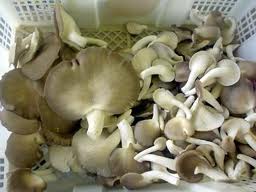
A mushroom is the fleshy, spore-bearing fruiting body of a fungus, typically produced above ground on soil or on its food source. Like all fungi, mushrooms are not plants and do not undergo photosynthesis. The standard for the name "mushroom" is the cultivated white button mushroom, Agaricus bisporus; hence the word "mushroom" is most often applied to those fungi (Basidiomycota, Agaricomycetes) that have a stem (stipe), a cap (pileus), and gills (lamellae, sing. lamella) or pores on the underside of the cap.

"Mushroom" describes a variety of gilled fungi, with or without stems, and the term is used even more generally, to describe both the fleshy fruiting bodies of some Ascomycota and the woody or leathery fruiting bodies of some Basidiomycota, depending upon the context of the word.

Forms deviating from the standard morphology usually have more specific names, such as "puffball", "stinkhorn", and "morel", and gilled mushrooms themselves are often called "agarics" in reference to their similarity to Agaricus or their place Agaricales. By extension, the term "mushroom" can also designate the entire fungus when in culture; the thallus (called a mycelium) of species forming the fruiting bodies called mushrooms; or the species itself.

Identifying mushrooms requires a basic understanding of their macroscopic structure. Most are Basidiomycetes and gilled. Their spores, called basidiospores, are produced on the gills and fall in a fine rain of powder from under the caps as a result. At the microscopic level the basidiospores are shot off basidia and then fall between the gills in the dead air space. As a result, for most mushrooms, if the cap is cut off and placed gill-side-down overnight, a powdery impression reflecting the shape of the gills (or pores, or spines, etc.) is formed (when the fruit body is sporulating). The color of the powdery print, called a spore print, is used to help classify mushrooms and can help to identify them. Spore print colors include white (most common), brown, black, purple-brown, pink, yellow, and cream, but almost never blue, green, or red.

While modern identification of mushrooms is quickly becoming molecular, the standard methods for identification are still used by most and have developed into a fine art harking back to medieval times and the Victorian era, combined with microscopic examination. The presence of juices upon breaking, bruising reactions, odors, tastes, shades of color, habitat, habit, and season are all considered by both amateur and professional mycologists. Tasting and smelling mushrooms carries its own hazards because of poisons and allergens. Chemical tests are also used for some genera.

In general, identification to genus can often be accomplished in the field using a local mushroom guide. Identification to species, however, requires more effort; one must remember that a mushroom develops from a button stage into a mature structure, and only the latter can provide certain characteristics needed for the identification of the species. However, over-mature specimens lose features and cease producing spores. Many novices have mistaken humid water marks on paper for white spore prints, or discolored paper from oozing liquids on lamella edges for colored spored prints.

Typical mushrooms are the fruit bodies of members of the order Agaricales, whose type genus is Agaricus and type species is the field mushroom, Agaricus campestris. However, in modern molecularly-defined classifications, not all members of the order Agaricales produce mushroom fruit bodies, and many other gilled fungi, collectively called mushrooms, occur in other orders of the class Agaricomycetes. For example, chanterelles are in the Cantharellales, false chanterelles like Gomphus are in the Gomphales, milk mushrooms (Lactarius) and russulas (Russula) as well as Lentinellus are in the Russulales, while the tough leathery genera Lentinus and Panus are among the Polyporales, but Neolentinus is in the Gloeophyllales, and the little pin-mushroom genus, Rickenella, along with similar genera, are in the Hymenochaetales.

Within the main body of mushrooms, in the Agaricales, are common fungi like the common fairy-ring mushroom (Marasmius oreades), shiitake, enoki, oyster mushrooms, fly agarics, and other amanitas, magic mushrooms like species of Psilocybe, paddy straw mushrooms, shaggy manes, etc.

An atypical mushroom is the lobster mushroom, which is a deformed, cooked-lobster-colored parasitized fruitbody of a Russula or Lactarius, colored and deformed by the mycoparasitic Ascomycete Hypomyces lactifluorum.

Other mushrooms are not gilled and then the term "mushroom" is loosely used, so it is difficult to give a full account of their classifications. Some have pores underneath (and are usually called boletes), others have spines, such as the hedgehog mushroom and other tooth fungi, and so on. "Mushroom" has been used for polypores, puffballs, jelly fungi, coral fungi, bracket fungi, stinkhorns, and cup fungi. Thus, the term is more one of common application to macroscopic fungal fruiting bodies than one having precise taxonomic meaning. There are approximately 14,000 described species of mushrooms.

The terms "mushroom" and "toadstool" go back centuries and were never precisely defined, nor was there consensus on application. The term "toadstool" was often, but not exclusively, applied to poisonous mushrooms or to those that have the classic umbrella-like cap-and-stem form. Between 1400 and 1600 AD, the terms tadstoles, frogstooles, frogge stoles, tadstooles, tode stoles, toodys hatte, paddockstool, puddockstool, paddocstol, toadstoole, and paddockstooles sometimes were used synonymously with mushrom, mushrum, muscheron, mousheroms, mussheron, or musserouns.

The word has apparent analogies in Dutch padde(n)stoel (toad-stool/chair, mushroom) and German Krötenschwamm (toad-fungus, alt. word for panther cap). Others have proposed a connection with German "Todesstuhl" (lit. "death's chair"). Since Tod is a direct cognate to death, in that case it would be a German borrowing. However, there is no common word akin to "Todesstuhl" used in German referring to mushrooms, poisonous or not.

The term "mushroom" and its variations may have been derived from the French word mousseron in reference to moss (mousse). The toadstool's connection to toads may be direct, in reference to some species of poisonous toad, or may just be a case of phono-semantic matching from the German word. However, there is no clear-cut delineation between edible and poisonous fungi, so that a "mushroom" may be edible, poisonous, or unpalatable. The term "toadstool" is nowadays used in storytelling when referring to poisonous or suspect mushrooms. The classic example of a toadstool is Amanita muscaria.

A mushroom develops from a nodule, or pinhead, less than two millimeters in diameter, called a primordium, which is typically found on or near the surface of the substrate. It is formed within the mycelium, the mass of threadlike hyphae that make up the fungus. The primordium enlarges into a roundish structure of interwoven hyphae roughly resembling an egg, called a "button". The button has a cottony roll of mycelium, the universal veil, that surrounds the developing fruit body. As the egg expands, the universal veil ruptures and may remain as a cup, or volva, at the base of the stalk, or as warts or volval patches on the cap. Many mushrooms lack a universal veil and therefore do not have either a volva or volval patches. Often there is a second layer of tissue, the partial veil, covering the bladelike gills that bear spores. As the cap expands, the veil breaks, and remnants of the partial veil may remain as a ring, or annulus, around the middle of the stalk or as fragments hanging from the margin of the cap. The ring may be skirt-like as in some species of Amanita, collar-like as in many species of Lepiota, or merely the faint remnants of a cortina (a partial veil composed of filaments resembling a spiderweb), which is typical of the genus Cortinarius. Mushrooms that lack a partial veil do not form an annulus.

The stalk (also called the stipe, or stem) may be central and support the cap in the middle, or it may be off-center and/or lateral, as in species of Pleurotus and Panus. In other mushrooms, a stalk may be absent, as in the polypores that form shelf-like brackets. Puffballs lack a stalk but may have a supporting base. Other mushrooms, like truffles, jellies, earthstars, bird's nests, usually do not have stalks, and a specialized mycological vocabulary exists to describe their parts.

The way that gills attach to the top of the stalk is an important feature of mushroom morphology. Mushrooms in the genera Agaricus, Amanita, Lepiota and Pluteus, among others, have free gills that do not extend to the top of the stalk. Others have decurrent gills that extend down the stalk, as in the genera Omphalotus and Pleurotus. There are a great number of variations between the extremes of free and decurrent, collectively called attached gills. Finer distinctions are often made to distinguish the types of attached gills: adnate gills, which adjoin squarely to the stalk; notched gills, which are notched where they join the top of the stalk; adnexed gills, which curve upward to meet the stalk, and so on. These distinctions between attached gills are sometimes difficult to interpret, since gill attachment may change as the mushroom matures, or with different environmental conditions.

Mushrooms are a low-calorie food usually eaten raw or cooked to provide garnish to a meal. Raw dietary mushrooms are a good source of B vitamins, such as riboflavin, niacin and pantothenic acid, and the essential minerals, selenium, copper and potassium. Fat, carbohydrate and calorie content are low, with absence of vitamin C and sodium.

Mushrooms, brown, Italian, or Crimini, raw
Energy 113 kJ (27 kcal)
Carbohydrates 4.1 g
Fat 0.1 g
Protein 2.5 g
Thiamine (Vit. B1) 0.1 mg (8%)
Riboflavin (Vit. B2) 0.5 mg (33%)
Niacin (Vit. B3) 3.8 mg (25%)
Pantothenic acid (B5) 1.5 mg (30%)
Vitamin C 0 mg (0%)
Calcium 18 mg (2%)
Phosphorus 120 mg (17%)
Potassium 448 mg (10%)
Sodium 6 mg (0%)
Zinc 1.1 mg (11%)

Known as the meat of the vegetable world, edible mushrooms are used extensively in cooking, in many cuisines (notably Chinese, Korean, European, and Japanese).

Most mushrooms that are sold in supermarkets have been commercially grown on mushroom farms. The most popular of these, Agaricus bisporus, is considered safe for most people to eat because it is grown in controlled, sterilized environments. Several varieties of A. bisporus are grown commercially, including whites, crimini, and portobello. Other cultivated species now available at many grocers include shiitake, maitake or hen-of-the-woods, oyster, and enoki. In recent years increasing affluence in developing countries has led to a considerable growth in interest in mushroom cultivation, which is now seen as a potentially important economic activity for small farmers.

There are a number of species of mushroom that are poisonous and, although some resemble certain edible species, consuming them could be fatal. Eating mushrooms gathered in the wild is risky and should not be undertaken by individuals not knowledgeable in mushroom identification, unless the individuals limit themselves to a relatively small number of good edible species that are visually distinctive. A. bisporus contains carcinogens called hydrazines, the most abundant of which is agaritine. However, the carcinogens are destroyed by moderate heat when cooking.

More generally, and particularly with gilled mushrooms, separating edible from poisonous species requires meticulous attention to detail; there is no single trait by which all toxic mushrooms can be identified, nor one by which all edible mushrooms can be identified. Additionally, even edible mushrooms may produce an allergic reaction in susceptible individuals, from a mild asthmatic response to severe anaphylactic shock.

People who collect mushrooms for consumption are known as mycophagists, and the act of collecting them for such is known as mushroom hunting, or simply "mushrooming".

China is the world's largest edible mushroom producer. The country produces about half of all cultivated mushrooms, and around 2.7 kilograms (6.0 lb) of mushrooms is consumed per person per year by over a billion people.

Many mushroom species produce secondary metabolites that can be toxic, mind-altering, antibiotic, antiviral, or bioluminescent. Although there are only a small number of deadly species, several others can cause particularly severe and unpleasant symptoms. Toxicity likely plays a role in protecting the function of the basidiocarp: the mycelium has expended considerable energy and protoplasmic material to develop a structure to efficiently distribute its spores. One defense against consumption and premature destruction is the evolution of chemicals that render the mushroom inedible, either causing the consumer to vomit the meal (see emetics), or to learn to avoid consumption altogether. In addition, due to the ability of mushrooms to absorb heavy metals, including those that are radioactive, European mushrooms may, to date, include toxicity from the 1986 Chernobyl disaster and continue to be studied.

Mushrooms that have psychoactive properties have long played a role in various native medicine traditions in cultures all around the world. They have been used as sacrament in rituals aimed at mental and physical healing, and to facilitate visionary states. One such ritual is the velada ceremony. A practitioner of traditional mushroom use is the shaman and curandera.

Psilocybin mushrooms possess psychedelic properties. Commonly known as "magic mushrooms" or "shrooms," they are openly available in smart shops in many parts of the world, or on the black market in those countries that have outlawed their sale. Psilocybin mushrooms have been reported as facilitating profound and life-changing insights often described as mystical experiences. Recent scientific work has supported these claims, as well as the long-lasting effects of such induced spiritual experiences.

Psilocybin, a naturally occurring chemical in certain psychedelic mushrooms like Psilocybe cubensis, is being studied for its ability to help people suffering from psychological disorders, such as obsessive-compulsive disorder. Minute amounts have been reported to stop cluster and migraine headaches. A double-blind study, done by the Johns Hopkins Hospital, showed that psychedelic mushrooms could provide people an experience with substantial personal meaning and spiritual significance. In the study, one third of the subjects reported that ingestion of psychedelic mushrooms was the single most spiritually significant event of their lives. Over two-thirds reported it among their five most meaningful and spiritually significant events. On the other hand, one-third of the subjects reported extreme anxiety. However, the anxiety went away after a short period of time.

Medicinal mushrooms are mushrooms or extracts from mushrooms that are used or studied as possible treatments for diseases. Some mushroom materials, including polysaccharides, glycoproteins and proteoglycans, modulate immune system responses and inhibit tumor growth. Some medicinal mushroom isolates that have been identified also show cardiovascular, antiviral, antibacterial, antiparasitic, anti-inflammatory, and antidiabetic properties. Currently, several extracts have widespread use in Japan, Korea and China, as adjuncts to radiation treatments and chemotherapy.

Historically, mushrooms have long had medicinal uses, especially in traditional Chinese medicine. Mushrooms have been a subject of modern medical research since the 1960s, where most modern medical studies concern the use of mushroom extracts, rather than whole mushrooms. Only a few specific mushroom extracts have been extensively tested for efficacy. Polysaccharide-K and lentinan are among the mushroom extracts with the firmest evidence. The available results for most other extracts are based on in vitro data, effects on isolated cells in a lab dish, animal models like mice, or underpowered clinical human trials. Studies show that glucan-containing mushroom extracts primarily change the function of the innate and adaptive immune systems, functioning as bioresponse modulators, rather than by directly killing bacteria, viruses, or cancer cells as cytocidal agents. In some countries, extracts like polysaccharide-K, schizophyllan, polysaccharide peptide, and lentinan are government-registered adjuvant cancer therapies.
Read more »

Fruit | Understanding and definition of Fruit | How to recognize a healthy fruit

0 comments
In broad terms, a fruit is a structure of a plant that contains its seeds. The term has different meanings dependent on context. In non-technical usage, such as food preparation, fruit normally means the fleshy seed-associated structures of certain plants that are sweet and edible in the raw state, such as apples, oranges, grapes, strawberries, juniper berries and bananas. Seed-associated structures that do not fit these informal criteria are usually called by other names, such as vegetables, pods, nut, ears and cones.

In biology (botany), a "fruit" is a part of a flowering plant that derives from specific tissues of the flower, mainly one or more ovaries. Taken strictly, this definition excludes many structures that are "fruits" in the common sense of the term, such as those produced by non-flowering plants (like juniper berries, which are the seed-containing female cones of conifers), and fleshy fruit-like growths that develop from other plant tissues close to the fruit (accessory fruit, or more rarely false fruit or pseudocarp), such as cashew fruits. Often the botanical fruit is only part of the common fruit, or is merely adjacent to it. On the other hand, the botanical sense includes many structures that are not commonly called "fruits", such as bean pods, corn kernels, wheat grains, tomatoes, the section of a fungus that produces spores, and many more. However, there are several variants of the biological definition of fruit that emphasize different aspects of the enormous variety that is found among plant fruits.

Fruits (in either sense of the word) are the means by which many plants disseminate seeds. Most plants bearing edible fruits, in particular, coevolved with animals in a symbiotic relationship as a means for seed dispersal and nutrition, respectively; in fact, many animals (including humans to some extent) have become dependent on fruits as a source of food. Fruits account for a substantial fraction of world's agricultural output, and some (such as the apple and the pomegranate) have acquired extensive cultural and symbolic meanings.

Many fruits that, in a botanical sense, are true fruits are actually treated as vegetables in cooking and food preparation, because they are not particularly sweet. These culinary vegetables include cucurbits (e.g., squash, pumpkin, and cucumber), tomatoes, peas, beans, corn, eggplant, and sweet pepper. In addition, some spices, such as allspice and chilies, are fruits, botanically speaking. In contrast, occasionally a culinary "fruit" is not a true fruit in the botanical sense. For example, rhubarb is often referred to as a fruit, because it is used to make sweet desserts such as pies, though only the petiole of the rhubarb plant is edible.[6] In the culinary sense of these words, a fruit is usually any sweet-tasting plant product, especially those associated with seed(s), a vegetable is any savoury or less sweet plant product, and a nut is any hard, oily, and shelled plant product.

Technically, a cereal grain is also a kind of fruit, a kind which is termed a caryopsis. However, the fruit wall is very thin, and is fused to the seed coat, so almost all of the edible grain is actually a seed. Therefore, cereal grains, such as corn, wheat and rice are better considered as edible seeds, although some references do list them as fruits. Edible gymnosperm seeds are often misleadingly given fruit names, e.g., pine nuts, ginkgo nuts, and juniper berries.

Fruits are so diverse that it is difficult to devise a classification scheme that includes all known fruits. Many common terms for seeds and fruit are incorrectly applied, a fact that complicates understanding of the terminology. Seeds are ripened ovules; fruits are the ripened ovaries or carpels that contain the seeds. To these two basic definitions can be added the clarification that in botanical terminology, a nut is not a type of fruit and not another term for seed, on the contrary to common terminology.

There are three general modes of fruit development:
  1. Apocarpous fruits develop from a single flower having one or more separate carpels, and they are the simplest fruits.
  2. Syncarpous fruits develop from a single gynoecium having two or more carpels fused together.
  3. Multiple fruits form from many different flowers.
Plant scientists have grouped fruits into three main groups, simple fruits, aggregate fruits, and composite or multiple fruits. The groupings are not evolutionarily relevant, since many diverse plant taxa may be in the same group, but reflect how the flower organs are arranged and how the fruits develop.

Fruits are generally high in fiber, water, vitamin C and sugars, although this latter varies widely from traces as in lime, to 61% of the fresh weight of the date. Fruits also contain various phytochemicals that do not yet have an RDA/RDI listing under most nutritional factsheets, and which research indicates are required for proper long-term cellular health and disease prevention. Regular consumption of fruit is associated with reduced risks of cancer, cardiovascular disease (especially coronary heart disease), stroke, Alzheimer disease, cataracts, and some of the functional declines associated with aging.

Diets that include a sufficient amount of potassium from fruits and vegetables also help reduce the chance of developing kidney stones and may help reduce the effects of bone-loss. Fruits are also low in calories which would help lower one's calorie intake as part of a weight-loss diet.

Because fruits have been such a major part of the human diet, different cultures have developed many different uses for various fruits that they do not depend on as being edible. Many dry fruits are used as decorations or in dried flower arrangements, such as unicorn plant, lotus, wheat, annual honesty and milkweed. Ornamental trees and shrubs are often cultivated for their colorful fruits, including holly, pyracantha, viburnum, skimmia, beautyberry and cotoneaster.

Fruits of opium poppy are the source of opium which contains the drugs morphine and codeine, as well as the biologically inactive chemical theabaine from which the drug oxycodone is synthysized. Osage orange fruits are used to repel cockroaches. Bayberry fruits provide a wax often used to make candles. Many fruits provide natural dyes, e.g. walnut, sumac, cherry and mulberry. Dried gourds are used as decorations, water jugs, bird houses, musical instruments, cups and dishes. Pumpkins are carved into Jack-o'-lanterns for Halloween. The spiny fruit of burdock or cocklebur were the inspiration for the invention of Velcro.

For food safety, the CDC recommends proper fruit handling and preparation to reduce the risk of food contamination and foodborne illness. Fresh fruits and vegetables should carefully be selected. At the store, they should not be damaged or bruised and pre-cut pieces should be refrigerated or surrounded by ice. All fruits and vegetables should be rinsed before eating. This recommendation also applies to produce with rinds or skins that are not eaten. It should be done just before preparing or eating to avoid premature spoilage. Fruits and vegetables should be kept separate from raw foods like meat, poultry, and seafood, as well as utensils that have come in contact with raw foods. Fruits and vegetables, if they are not going to be cooked, should be thrown away if they have touched raw meat, poultry, seafood or eggs. All cut, peeled, or cooked fruits and vegetables should be refrigerated within two hours. After a certain time, harmful bacteria may grow on them and increase the risk of foodborne illness.
Read more »

Blackcurrant | Understanding and definition of Blackcurrants | Vitamin C contained in Blackcurrant

0 comments
Blackcurrant is a species of Ribes berry native to central and northern Europe and northern Asia, and is a perennial.

It is a small shrub, growing to 1–2 m tall. The leaves are alternate, simple, 3–5 cm long and broad, and palmately lobed with five lobes, with a serrated margin. The flowers are 4–6 mm diameter, with five reddish-green to brownish petals; they are produced in racemes 5–10 cm long.

When not in fruit, the plant looks similar to the redcurrant shrub, distinguished by a strong fragrance from leaves and stems. The fruit is an edible berry 1 cm diameter, very dark purple in colour, almost black, with a glossy skin and a persistent calyx at the apex, and containing several seeds dense in nutrients. An established bush can produce up to 5 kilograms of berries during summer.

Plants from Asia are sometimes distinguished as a separate variety, Ribes nigrum var. sibiricum, or even as a distinct species Ribes cyathiforme.

There are many cultivars of blackcurrant, including: Amos Black, Ben Alder, Ben Avon, Ben Connan, Ben Dorain, Ben Gairn, Ben Hope, Ben Lomond, Ben Loyal, Ben More, Ben Sarek, Ben Tirran, Big Ben, Boskoop Giant, Cotswold Cross and Wellington XXX.

New varieties are being developed continually to improve frost tolerance, disease resistance, machine harvesting, fruit quality, nutritional content and fruit flavour.

Varieties producing green fruit, less strongly flavoured and sweeter than typical blackcurrants, are cultivated in Finland, where they are called "greencurrants" (viherherukka).

During World War II, most fruits rich in vitamin C, such as oranges, became almost impossible to obtain in the United Kingdom. Since blackcurrant berries are a rich source of vitamin C and blackcurrant plants are suitable for growing in the UK climate, blackcurrant cultivation was encouraged by the British government. Soon, the yield of the nation's crop increased significantly. From 1942 on, almost the entire British blackcurrant crop was made into blackcurrant syrup (or cordial) and distributed to the nation's children free, giving rise to the lasting popularity of blackcurrant flavourings in Britain.

The fruit has extraordinarily high vitamin C content (302% of the Daily Value per 100 g), good levels of potassium, phosphorus, iron and vitamin B5, and a broad range of other essential nutrients .

Other phytochemicals in the fruit have been demonstrated in laboratory experiments with potential to inhibit inflammation mechanisms suspected to be at the origin of heart disease, cancer, microbial infections or neurological disorders like Alzheimer's disease. Major anthocyanins in blackcurrant pomace are delphinidin-3-O-glucoside, delphinidin-3-O-rutinoside, cyanidin-3-O-glucoside, and cyanidin-3-O-rutinoside which are retained in the juice concentrate among other yet unidentified polyphenols.

Blackcurrant seed oil is also rich in many nutrients, especially vitamin E and several unsaturated fatty acids including alpha-linolenic acid and gamma-linolenic acid. In a human pilot study, ingestion of blackcurrant seed oil by mothers reduced atopic dermatitis in their breast-fed newborns who were supplemented with the oil over two years.

In the UK, blackcurrant cordial is often mixed with cider to make a drink called "Diesel" or "Snakebite and Black" available at pubs. Adding a small amount of blackcurrant juice to Guinness is preferred by some to heighten the taste of the popular stout. Macerated blackcurrants are also the primary ingredient in the apéritif crème de cassis. Japan imports $3.6 million of New Zealand blackcurrants for uses as dietary supplements, snacks, functional food products and as quick-frozen (IQF) produce for culinary production as jams, jellies or preserves. In Russia, blackcurrant leaves may be used for flavouring tea or preserves. Sweetened vodka may also be infused with blackcurrant leaves or berries, making a deep yellowish-green beverage with a sharp flavour and astringent taste.

Besides being juiced and used in jellies, syrups, and cordials, blackcurrants are also used in cooking because their astringency creates flavour in many sauces, meat dishes, and desserts.

It was once thought that currants needed to be "topped and tailed" (the flower remnants and the stalks removed) before cooking. This is not the case, though, as these parts are easily assimilated during the cooking process. If one prefers, the whole blackcurrant stem and fruit can be frozen, then shaken vigorously. The tops and tails will break off, and the fruit can then be easily separated.

Ribena, a non-carbonated soft drink flavored with blackcurrants, takes its name from Ribes.

Blackcurrant berries have a distinctive sweet and sharp taste popular in jam, juice, ice cream, and liqueur (see Ribena). They are a common ingredient of Rødgrød, a popular kissel-like dessert in North German and Danish cuisines. In the UK, Europe and Commonwealth countries, some types of confectionery include a blackcurrant flavour, and in Belgium and the Netherlands, cassis is a flavoured currant soft drink. In the United States, blackcurrant flavour is rather rare in candies and jellies compared to UK sweets. In the United States, grape flavour is often used in brands of candy where blackcurrant would appear in Europe. Blackcurrant syrup mixed with white wine is called Kir or Kir Royale when mixed with Champagne.
Read more »

Copal | Understanding and definition of Copal

0 comments
Copal is a name given to tree resin that is particularly identified with the aromatic resins used by the cultures of pre-Columbian Mesoamerica as ceremonially burned incense and other purposes. More generally, the term copal describes resinous substances in an intermediate stage of polymerization and hardening between "gummier" resins and amber. The word copal is derived from the Nahuatl language word copalli, meaning "incense".

To the pre-Columbian Maya and contemporary Maya peoples it is known in the various Mayan languages as pom (or a close variation thereof), although the word itself has been demonstrated to be a loanword to Mayan from Mixe-Zoquean languages.

Copal is still used by a number of indigenous peoples of Mexico and Central America as an incense and during sweat lodge ceremonies. It is available in different forms. The hard, amber-like yellow copal is a less expensive version. The white copal, a hard, milky, sticky substance, is a more expensive version of the same resin.

Copal was also grown in East Africa, (the common species there being Hymenaea verrucosa) initially feeding an Indian Ocean demand for incense. By the 18th Century, Europeans found it to be a valuable ingredient in making a good wood varnish. It became widely used in the manufacture of furniture and carriages. By the late 19th and early 20th century varnish manufacturers in England and America were using it on train carriages, greatly swelling its demand.

In 1859 Americans consumed 68 percent of the East African trade, which was controlled through the Sultan of Zanzibar, with Germany receiving 24 percent. The American Civil War and the creation of the Suez Canal led to Germany, India and Hong Kong taking the majority by the end of that century.

East Africa apparently had a higher amount of subfossil copal, which is found one or two meters below living copal trees from roots of trees that may have lived thousands of years earlier. This subfossil copal produces a harder varnish. Subfossil copal is also well-known from New Zealand (Kauri gum), Japan, the Dominican Republic, Colombia and Madagascar. It often has inclusions and is sometimes sold as "young amber". Copal can be easily distinguished from genuine amber by its lighter citrine colour and its surface getting tacky with a drop of acetone or chloroform.
Read more »

Durian | Understanding and definition of Durian | Splitting Durian

0 comments
Durian is a tropical plant that originated from Southeast Asia, as well as the name of the fruit can be eaten. The name is taken from the skin of fruit typical of the hard and sharp grooved so as to resemble thorns. His most popular title "king of all fruits" (King of Fruit), and durian is a fruit that controversial. Although many who love it, others fed up with the smell.

Indeed, plants with a durian is not a single species but a group of plants of the genus Durio. However, what is meant by durian (without any additive) is likely to Durio zibethinus. The types of other durian can be eaten and are sometimes found in the host market in Southeast Asia include lai (D. kutejensis), kerantungan (D. oxleyanus), durian or kekura turtle (D. graveolens), and lahung (D . dulcis). Henceforth, the description below refers to the D. zibethinus.

Annual tree, evergreen (leaf shedding is independent of the season) but there is a certain time to grow new leaves (or peronaan flushing period) that occurs after a period of fruitful completion. Grow tall to reach a height of 25-50 m depending on the species, often have banir durian tree (the roots of the board). Pepagan (bark), reddish brown, irregular flakes. Leafy canopy and tenuous.

Elliptic-shaped leaves up to lanceolate, 10-15 (-17) cm × 3 to 4.5 (-12.5) cm located alternate; stemmed; stem taper or ramp blunt and pointy toes; the upper side light green, the underside covered with silvery scales or feathers golden star.

Flowers (also men) came directly from the trunk (cauliflorous) or old branches at the base (proximal), grouped in the essay contains 30-10 florets skein-shaped or flat panicles. Flower buds rounded, about 2 cm in diameter, long-stemmed. Petals form a tube along lk. 3 cm, leaves additional petals split to 2-3 round egg-shaped lobes. Crown shape spatula, about 2 × length of petals, has 5 strands, whitish. Stamens many, is divided into 5 files; head putiknya forming hump, with a hairy stem. Flowers appear from dormant buds, blooms in the afternoon and lasted until a few days. By day flower closes. Interest is spreading the scent that comes from the nectar glands at the base to attract bats as primary pollinators. Study in Malaysia in the 1970s showed that pollinators are bats Eonycteris spelaea durian. Further research in 1996 showed that of other animals, like birds and bees honey Nectariniidae participate in the pollination of durian three other relatives.

Durian fruit-type capsule-shaped, ovate to oval, with a length of up to 25 cm and a diameter of up to 20 cm. His skin is thick, sharply angled surface ("thorny", because it was called "durian", although this is not a thorn in the botanical sense), yellowish green, brown, to grayish.

Fruit develops after fertilization and requires 4-6 months for cooking. During ripening there is competition antarbuah in one group, so only one or a few pieces that will reach maturity, and the rest fall. The fruit will fall itself when ripe. In general the weight of durian fruit may reach 1.5 to 5 pounds, so the durian plantation into a dangerous area during the durian season. If the fall on someone's head, durian fruit can cause severe injury or even death.

Each fruit has five rooms (laymen call it "room"), which indicates the number of leaf pieces owned. Each room occupied by a few seeds, usually three points or more, tapering to 4 cm in length, and brownish pink shiny. Seeds encased by arilus (coated seeds, commonly referred to as "flesh fruit" durian) white to bright yellow with varying thickness, but the thickness arilus superior cultivars can reach 3 cm. Seeds with the coated seeds in a trade called Pongge. Durian breeding is directed to produce a small seed with a thick-coated seeds, because this is the part coated seeds are eaten. Some varieties produce fruit with seeds that are not developed yet by thick-coated seeds (called "breadfruit").

Terms growing and fertilizing

Rainfall is preferably at least 1500 mm, spread evenly throughout the year. However, dry periods of 1-2 months will stimulate better flowering. Holiday season durian fruit usually occurs after years of prolonged drought. Harvest season between fruit production may occur with the mediocre.

This plant needs deep soil, light and well drained. Optimal pH is 6 to 6.5. Acid soils, such as red-yellow podzolic latosol or require liming Agara plants grow well. Young durian also require protection of nature, for trees or branches that are full of fruit does not break the strong wind. Ground water level can not be less than 150cm because the ground water that is too low result in less sweet fruit.

Fertilization is done by making a small trench around the tree and then sprinkled with chemical fertilizers. Manure is given at time of planting seedlings. Fertilization with the same levels of NPK is given soon after the fruiting season, while fertilization with higher levels of P given after flushing is completed to prepare for flowering.

Commercial planting of durian in the plantation done with a spacing of 10 m × 10 m to 12 m × 12 m, depending on the size of plant / kultivarnya. If the plants are still small, intercropping can be done. Weed control also needs to be done.

Maintenance includes fertilizing, pruning (formation and rejuvenation), irrigation (if needed), and control of pests and diseases. A good durian canopy is rounded conical, with main branches horizontal to the side.

Durian trees started to bear fruit after 4-5 years, but in cultivation can be accelerated when using the results of vegetatively propagated planting material. The techniques used are transplants (rarely done), lactation (rarely done), grafting sanding (inarching), cleft grafting (cleft grafting), or grafting (budding). This last technique is now the most widely used. Some breeders are now also applying micro grafting (micrografting). This technique is done on rootstock are young so that speed up the waiting period. Noted that the durian vegetatively multiplied capable flowering after 2-3 years.

Pests that attack them are durian fruit borer caterpillar (gala-gala), caterpillar flowers, and durian psyllid (sucking fluid young leaves).

The main diseases of durian is the root and stem rot Pythium complectens, dead seeds (also by the same pathogen), blendok disease / cancer Phytophthora palmivora, and fungi that attack upas stems / branches.

Durian especially those maintained for its fruit, which is generally eaten (arilus or coated seeds) in a fresh condition. Coated seeds are generally sweet and very nutritious because they contain lots of carbohydrates, fats, proteins, and minerals.

On the feast of durian season, this fruit can be produced in abundance, especially in centers of production in the region. Traditionally, fruit flesh is usually exaggerated preserved by cooking with sugar into dodol durian (commonly called Lempok), or memfermentasikannya become tempoyak. Furthermore, tempoyak that sour taste is usually the subject of dishes such as sambal tempoyak, or to a mixture of cooking fish.

Durian is often processed into a mixture of traditional cakes, such as gelamai or porridge. Sometimes, durian sticky rice mixed in a dish of rice (sticky rice) along with coconut milk. In today's world, durian (or smell) are commonly mixed in candy, ice cream, milk, and various other types of beverages.

Seeds can be eaten as a snack after boiled or baked, or mixed in durian compote. Raw durian seeds are poisonous and can not be eaten because it contains fatty acids siklopropena (cyclopropene). Durian seeds contain about 27% amylose. Leaf bud (shoot), crown of flowers, and young fruit can be cooked as a vegetable.

Some parts of the plant is sometimes used as an ingredient of traditional medicine. Roots used as a drug fever. The leaves, mixed with jeringau (Acorus Calamus), used to cure cantengan (infection of the nails). Men to treat skin rash on the skin (scab) and constipation (constipation). Rind is also used to be burned and the ashes used in potions to launch abort menstrual and womb. Ash ash and water immersion is also used as a mixture of traditional dyes.

Some communities in Java using durian skin that has been eaten as a repellent (Repellent) mosquitoes by putting them in a corner.

Gubalnya wood paneling and white colored reddish. Lightweight, but not very durable and easily attacked by termites. Usually used as furniture, packing crates, and light construction materials under the roof, provided no contact with the ground.

Each 100 g of coated seeds contain 67 g of water, 28.3 g carbohydrate, 2.5 g fat, 2.5 g protein, 1.4 g fiber; and has a value of 520 kJ of energy. Durian also contains vitamin B1, vitamin B2, and vitamin C, and potassium, calcium and phosphorus.

According to many stories that develop in the community (urban legend), Durian is considered as a hot meal, and after eating durian is usually the body will sweat. How commonly used to deal with is by pouring fresh water on the skin of fruit that has been empty, and drunk. In addition, the durian season usually coincides with mangosteen season, the fruit is considered to cool the body. Thus, both the fruit and then eat together.

Scientifically, the above claims was never proved. Chances are as a solid nutritional durian, people who eat durian eat most often and eventually increases blood pressure. This is a natural reaction if too much to eat any food.

Choosing the right fruit is very important if the seller sells the fruit as is, without may be loaded. Now the sellers are generally willing to open the fruit to prove its contents. In this way, the expertise in choosing becomes less important.

People can choose a durian with ease in the garden. Fruit from the same tree generally have similar characteristics. Typically left to ripe fruit in the garden and fell from a tree ("duren fall").

Selection of fruit outside the garden is more complicated. Here are some of the selection guidelines that can be used:
  1. Fresh fruit can be determined from the stem. If the fruit has fallen from a tree, the stem will begin to dry up. Dishonest sellers who will try to wrap or paint the stalk to deter buyers recognize the freshness. Sellers are less intelligent may even durian would discard stems.
  2. Most enthusiasts like durian fruit, dry and mature. An easy way to find out whether the contents without opening the durian fruit is dry is to shake the fruit and feel a small vibration. Fill in the damp durian fruit attached to the skin. Fill a dry durian tends to separate from the fruit wall. People must necessarily be cautious so as not to be scratched by thorns while performing this durian fruit.
  3. Durian may be attacked by the destructive caterpillars lay eggs inside the fruit which develop into larvae. When buying fruit durian fruit buyers should avoid the potholes on kulitnyanya because this is often a sign of "worm" in the fruit.
Splitting durian

People who are just learning to buy durian durian which has been recommended to buy ready to be opened because it divides the durian somewhat difficult. Usually we can easily find sellers who provide service to divide durian. If the buyer has agreed to buy, the seller usually will cut durian as a ministry. They are willing to do so, although they do not move the contents into another parcel. But the durian fruit that has been split needs to be eaten because it was likely to "sweat". When the contents begin to produce water durian, durian fruit will lose their taste and not much use.

People can learn to divide durian carefully with the usual equipment there. Inspect the outer skin of the fruit to find a "line" (seam) along the surface where durian thorns arranged in a straight line. Generally there are up to 5 lines along the surface of the durian fruit.

Stalk section must be reversed and durian durian uric line will meet at one point at the end of the fruit. Slowly stick sharp objects (knives) at this point, then scratched along the "line" that has been seen previously. Gloves or a thick piece of cloth can be used to hold the durian fruit with one hand while the other one to perform this task. Beware risk thorn durian.

When the skin of the durian fruit has been opened into two parts, content in ready to eat. The remaining sections can be split by using the palm of the hand by way of tearing a little at the end of the durian skin along the center of the midpoint of the previous.
Read more »

Palm wine | Definition of Palm wine

0 comments
Palm wine also called Palm Toddy also called "Kallu" in Malayalam and Tamil or simply Toddy is an alcoholic beverage created from the sap of various species of palm tree such as the Palmyra, and coconut palms. This drink is common in various parts of Asia and Africa, and goes by various names, such as emu and oguro in Nigeria, Nsamba in Democratic Republic of the Congo, nsafufuo in Ghana, kallu in South India, tuak in North Sumatra, Indonesia, goribon (Rungus) in Sabah, Borneo, and tuba in the Philippines, Borneo and Mexico. In the Philippines, tubâ refers both to the freshly harvested sweetish sap and the one with the red lauan-tree tan bark colorant. In Leyte, the red tuba is aged for up to one to two years to get that echoing ring when the glass gallon container is tapped; this type of tubâ is called bahalina. Toddy is also consumed in Sri Lanka and Myanmar. Production of palm wine has contributed to the endangered status of some palm species such as the Chilean wine palm, Jubaea chilensis.

The sap is extracted and collected by a tapper. Typically the sap is collected from the cut flower of the palm tree. A container is fastened to the flower stump to collect the sap. The white liquid that initially collects tends to be very sweet and non-alcoholic before it is fermented. An alternate method is the felling of the entire tree. Where this is practiced, a fire is sometimes lit at the cut end to facilitate the collection of sap. Palm wine tapping is mentioned in the novel Things Fall Apart by the Nigerian writer Chinua Achebe and is central to the plot of the groundbreaking novel The Palm Wine Drinkard by Nigerian author Amos Tutuola.

In parts of India, the unfermented sap is called "Neera" ("Padaneer" in Tamil Nadu) and is refrigerated, stored and distributed by semi-government agencies. A little lime is added to the sap to prevent it from fermenting. Neera is said to contain many nutrients including potash. Palm sap begins fermenting immediately after collection, due to natural yeasts in the air (often spurred by residual yeast left in the collecting container). Within two hours, fermentation yields an aromatic wine of up to 4% alcohol content, mildly intoxicating and sweet. The wine may be allowed to ferment longer, up to a day, to yield a stronger, more sour and acidic taste, which some people prefer. Longer fermentation produces vinegar instead of stronger wine. Tamil Sangam literature contains many references to Toddy (Kallu) and Tirukkuṛaḷ contains a chapter on "Abhorrence of Toddy".

In Africa, the sap used to create palm wine is most often taken from wild datepalms such as the Silver date palm (Phoenix sylvestris), the palmyra, and the Jaggery palm (Caryota urens), or from oil palm such as the African Oil Palm (Elaeis guineense) or from Raffia palms , Kithul palms, or Nipa palms. In India and South Asia, coconut palms and Palmyra palms such as the Arecaceae and Borassus are preferred. In Southern Africa, palm wine (Ubusulu) is produced in Maputaland, an area in the south of Mozambique between the Lobombo mountains and the Indian Ocean. It is mainly produced from the lala palm (Hyphaene coriacea) by cutting the stem and collecting the sap. In part of central and western Democratic Republic of the Congo, palm wine is called "malafu". There are four types of palm wine in the central and southern DRC. From the oil palm comes "ngasi", "dibondo" comes from the raffia palm, "cocoti" from the coconut palm, and "mahusu" from a short palm which grows in the savannah areas of western Bandundu and Kasai provinces.

In Tuvalu, the process of making toddy can clearly be seen with tapped Palm trees that line Funafuti International Airport.

In some areas of India, palm wine is evaporated to produce the unrefined sugar called jaggery.

Palm wine may be distilled to create a stronger drink, which goes by different names depending on the region (e.g. arrack, village gin, charayam, and country whiskey). Throughout Nigeria, this is commonly called ogogoro. In parts of southern Ghana distilled palm wine is called akpeteshi or burukutu. In Togo it is called "sodabe", while in the Philippines it is called lambanog.

In India, palm wine or toddy is served as either neera or Padaneer (a sweet, non-alcoholic beverage derived from fresh sap) or kallu (a sour beverage made from fermented sap, but not as strong as wine). Kallu is usually drunk soon after fermentation by the end of day, as it becomes more sour and acidic day by day. The drink, like vinegar in taste, is considered to be short lived shelf life. However, it may be refrigerated to extend its life.

In Karnataka, India, palm wine is usually available at toddy shops (known as Kalitha Gadang in Tulu, Kallu Dukanam in Telugu, Kallu Angadi in Kannada or "Liquor Shop" in English). In Tamil Nadu, this beverage is currently banned, though the legality fluctuates with politics. In the absence of legal toddy, moonshine distillers of arrack often sell methanol-contaminated alcohol, which can have lethal consequences. To discourage this practice, authorities have pushed for inexpensive "Indian Made Foreign Liquor" (IMFL), much to the dismay of toddy tappers.

In the state of Andhra Pradesh (India), toddy is a popular drink in rural parts. The kallu is collected, distributed and sold by the people of a particular caste called Goud or Gownla. It is a big business in the cities of those districts. In villages, people drink it every day after work.

There are two main types of kallu in Andhra Pradesh, namely Thadi Kallu (from Toddy Palmyra trees) and Eetha Kallu (from shorter Date Palms, under 15 feet tall). Eetha Kallu is very sweet and less intoxicating, whereas Thati Kallu is stronger (sweet in the morning, becoming sour to bitter-sour in the evening) and is highly intoxicating. People enjoy kallu right at the trees where it is brought down. They drink out of leaves by holding them to their mouths while the Goud pours the kallu from the Binki (kallu pot).There are different types of toddy (kallu) seasonal wise of kallu 1. Poddathadu 2.Parpudthadu 3. Pandudthadu and 4. Mogadthadu

Palm wine plays an important role in many ceremonies in parts of Nigeria such as among the Igbo (or Ibo) peoples, and elsewhere in central and western Africa. Guests at weddings, birth celebrations, and funeral wakes are served generous quantities. Palm wine is often infused with medicinal herbs to remedy a wide variety of physical complaints. As a token of respect to deceased ancestors, many drinking sessions begin with a small amount of palm wine spilled on the ground ("Kulosa malafu" in Kikongo ya Leta). Palm wine is enjoyed by men and women, although women usually drink it in less public venues.

In the Indian state of Kerala, toddy is used in leavening (as a substitute to yeast) a local form of hopper called the vellai Appam, a staple among the Nasrani Christians. Toddy is mixed with rice dough and left over night to aid in fermentation and expansion of the dough causing the dough to rise overnight, making the bread soft when prepared. In Kerala, toddy is vending under the licence issued by the excise department and it is an industry having more than 50,000 employees having a welfareboard under the labour department. It is also used in the preparation of a soft variety of Idli, which is famous in the parts of Karnataka and Goa in India.

Some small pollinating mammals consume large amounts of fermented palm nectar as part of their diet, especially the southeast Asian Pen-tailed Treeshrew. The infloresences of the bertam palm contain populations of yeast which ferments the nectar in the flowers to up to 3.8% alcohol (average: 0.6%). The treeshrews metabolize the alcohol very efficiently and do not appear to become drunk from the fermented nectar.
Read more »

Blog Archive